What Happens After an Insurance Claim
Bee Dry Restoration of Cleveland helps homeowners and businesses in Northeast Ohio through the restoration side of the insurance claim process. We help inspect the damage, start emergency mitigation, document affected materials, track drying progress, provide restoration information, and help move the property toward cleanup and repair.
Your Claim Gets Opened
After you file, your insurance company assigns a claim number and begins reviewing the loss.
Mitigation Comes First
Emergency cleanup, water extraction, drying, and stabilization help prevent the damage from getting worse.
Damage Gets Documented
Photos, moisture readings, drying logs, and scope notes help show what happened and what work was needed.
Restoration Moves Forward
Bee Dry helps with cleanup, drying, repairs, and restoration planning after the claim is underway.
What Usually Happens After You File an Insurance Claim?
Every claim is different, but most property damage claims follow a similar path: the claim is opened, the damage is reviewed, mitigation begins, documentation is collected, and restoration planning moves forward.

File the Claim
Contact your insurance company, report the damage, and save your claim number so it is easy to reference during the process.
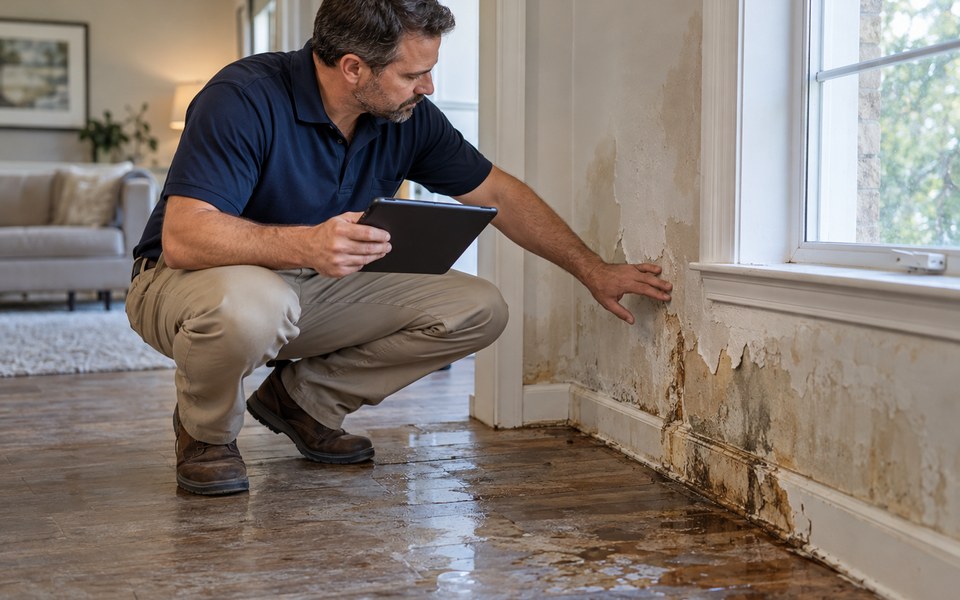
Inspection & Claim Review
The insurance company may send an adjuster to inspect the damage, review the policy, and evaluate what may apply to the claim.
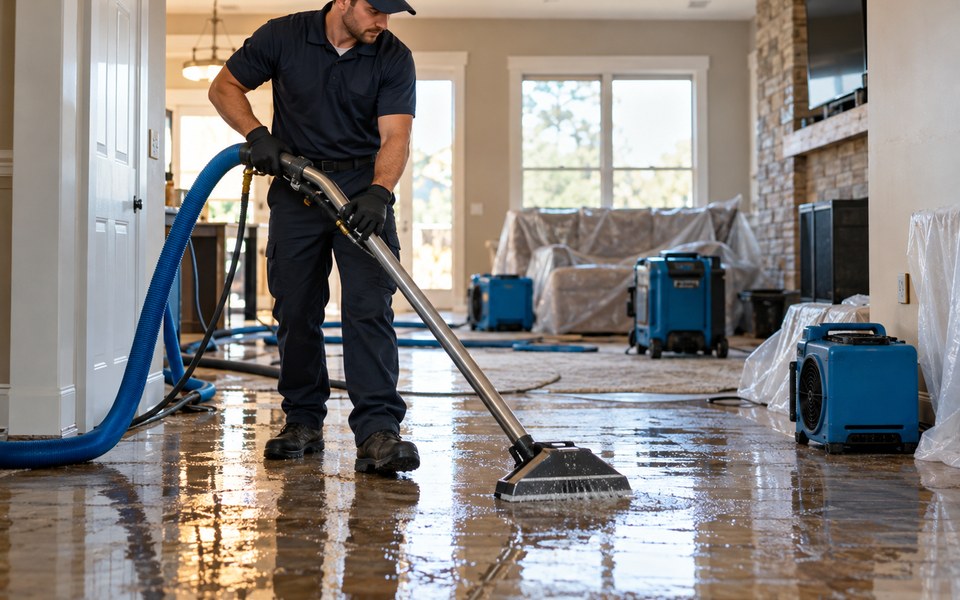
Emergency Mitigation Begins
Bee Dry can begin water extraction, drying, cleanup, containment, or stabilization to help prevent the damage from getting worse.
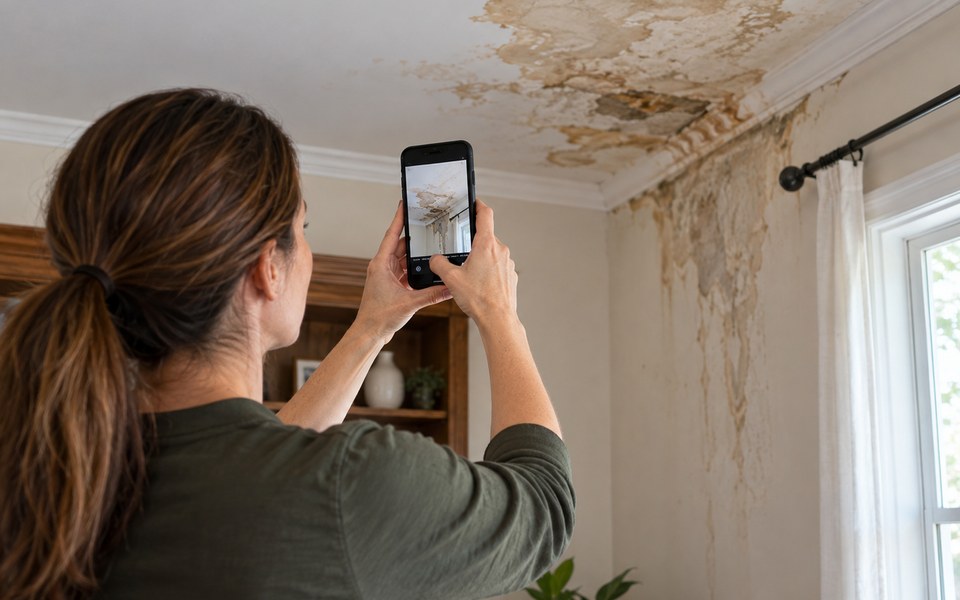
Damage Gets Documented
Photos, moisture readings, drying logs, affected materials, equipment records, and scope notes help clarify what happened and what work was needed.
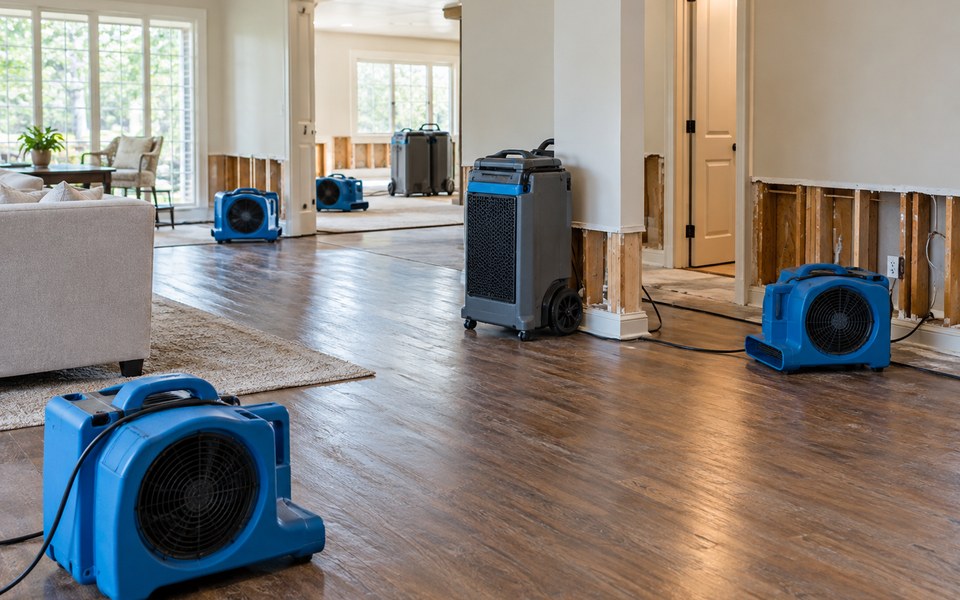
Restoration Planning Moves Forward
Once mitigation is complete and the property is ready, repair planning can begin for drywall, flooring, trim, paint, and other affected materials.
Water Damage After an Upstairs Bathroom Leak
A homeowner in Northeast Ohio notices water dripping from the ceiling below an upstairs bathroom. The water has affected drywall, insulation, flooring, trim, and nearby furniture.
This process helps protect the property, support the claim file, and reduce confusion between emergency mitigation and final repairs.
-
01
The homeowner shuts off the water supply.
-
02
They take photos and videos of the ceiling, flooring, bathroom, and contents.
-
03
They file a claim and receive a claim number.
-
04
They call Bee Dry Restoration for emergency water mitigation.
-
05
Bee Dry inspects the affected areas and checks for hidden moisture.
-
06
Wet materials are documented.
-
07
Water extraction, drying, and dehumidification begin.
-
08
Moisture readings and drying progress are recorded.
-
09
The adjuster inspects the property.
-
10
Bee Dry provides restoration documentation and scope information.
-
11
Once the property is dry, repair planning can begin.
What to Look for in Your Insurance Policy
After you file a claim, review your declarations page, deductible, limits, endorsements, exclusions, and duties after loss. You do not need to become an insurance expert, but knowing these terms can help you ask better questions.
Policy Terms to Check
When Damage May Be Covered
Damage may be reviewed for coverage when it is sudden, accidental, and not excluded by the policy.
- Certain burst pipe losses
- Sudden plumbing leaks
- Covered storm damage
- Fire or smoke damage
- Some appliance leaks
- Covered interior water damage
When Damage May Not Be Covered
Damage may be limited when exclusions, maintenance issues, missing endorsements, or policy limits apply.
- Long-term leaks
- Gradual damage
- Lack of maintenance
- Wear and tear
- Flooding without flood insurance
- Sewer backup without endorsement
- Mold beyond policy limits
- Damage below the deductible
Coverage is never guaranteed. The insurance company makes the final claim decision based on the policy, cause of loss, endorsements, exclusions, limits, deductible, and claim investigation.
Flood damage is usually separate. Learn more from FloodSmart →How Bee Dry Helps After an Insurance Claim
Bee Dry Restoration of Cleveland handles the restoration side of the process. We help protect your property, document the damage, and get your home or business back to normal.
What Bee Dry Does
- Emergency mitigation
- Water extraction & drying
- Moisture readings & drying logs
- Damage documentation
- Mold, fire, storm & sewage cleanup
- Repairs and reconstruction
- Insurance-related documentation
- Communication about property conditions
What Bee Dry Does Not Do
- Decide coverage
- Approve or deny claims
- Guarantee payment
- Provide legal advice
- Act as a public adjuster
Common Mistakes After Filing an Insurance Claim
After a claim is filed, the next steps matter. Avoiding a few common mistakes can help protect the property, keep documentation organized, and make the restoration process easier to understand.
Waiting Too Long to Start Mitigation
Water can spread quickly into hidden areas. Delaying extraction and drying can increase damage and mold risk.
Throwing Away Damaged Materials Too Quickly
Some damaged materials, failed parts, or broken supply lines may help document the source of loss. Take photos and ask before throwing away important items.
Not Taking Enough Photos
Take photos before cleanup, during mitigation, and after affected materials are removed. Documentation can help everyone better understand what happened.
Assuming Everything Is Covered
Coverage depends on the policy, endorsements, cause of loss, exclusions, deductible, and claim decision.
Confusing Flood Damage and Interior Water Damage
A burst pipe and outside flood water are not usually handled the same way. Flood damage often requires separate flood insurance.
Confusing the Adjuster and Contractor Roles
The adjuster reviews the claim. The restoration contractor documents the damage and performs mitigation, cleanup, drying, and repair work.
What Homeowners Should Do Right Away
After filing a claim, take these steps to protect the property, organize the claim file, and keep restoration work moving in the right order.
- Keep your claim number available.
- Take photos and videos of all visible damage.
- Stop the source of water if it is safe.
- Avoid electrical hazards.
- Call a restoration contractor for emergency mitigation.
- Do not throw away important materials too quickly.
- Keep receipts and records.
- Ask the insurance company what documents are needed.
- Track communication with dates and names.
- Separate mitigation work from reconstruction work.
- Ask Bee Dry what should happen first.
A clear process helps reduce stress. It also helps keep the claim file, restoration work, and repair planning organized.
What to Ask Your Insurance Company
When you file the claim, ask clear questions like:
- What is my claim number?
- Who is my assigned adjuster?
- What is my deductible?
- Are there special limits or sublimits?
- Does my policy include water backup coverage?
- Does my policy include mold coverage?
- Does my policy include Additional Living Expense?
- What documentation do you need from me?
- Can I start emergency mitigation?
- Should I save damaged materials or failed parts?
- How are ACV, RCV, and depreciation handled?
- Will my mortgage company be included on the check?
- What happens if the contractor scope is different from the insurance estimate?
Your 24/7 Restoration Services in Cleveland
At Bee Dry Restoration of Cleveland, we provide expert restoration services including fire damage restoration, water damage restoration, mold inspection, sewage cleanup, and more. Our skilled team delivers fast, reliable, and professional solutions to restore your property and your peace of mind with the highest standards of safety and quality.
- Mentor
- Painesville
- Willoughby
- Cleveland
- Eastlake
- Madison
- Perry
- Wickliffe
- Chardon
- Thompson
- Austinburg
- Geneva
- Grand River
- Fairport Harbor
- Kirtland
Restoration Services Commonly Involved in Insurance Claims
Bee Dry helps with all major types of property damage. Each loss is different, and coverage depends on your policy, but these are common claims we handle in Northeast Ohio.
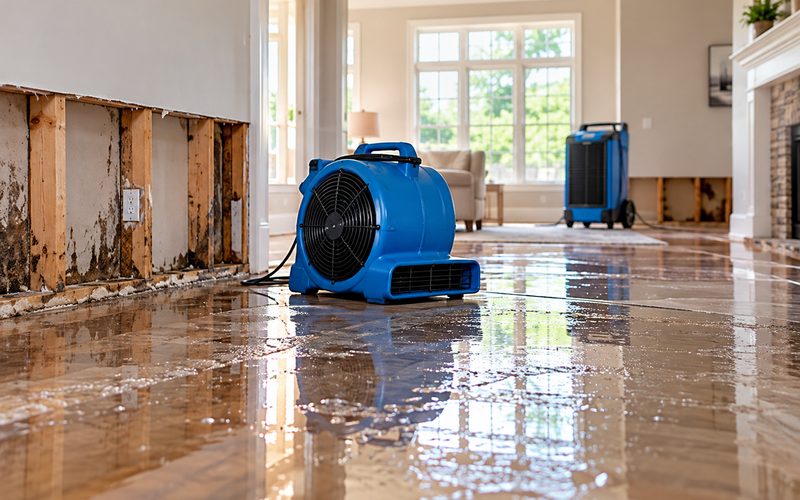
Water Damage Restoration
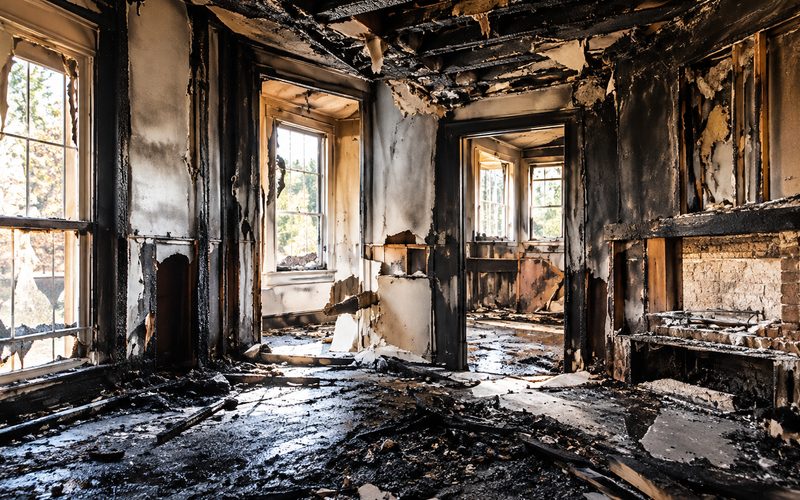
Fire Damage Restoration
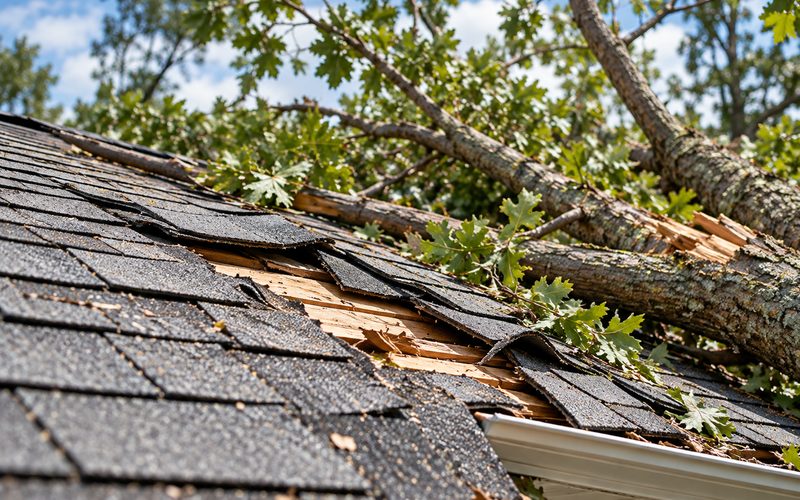
Storm Damage Restoration
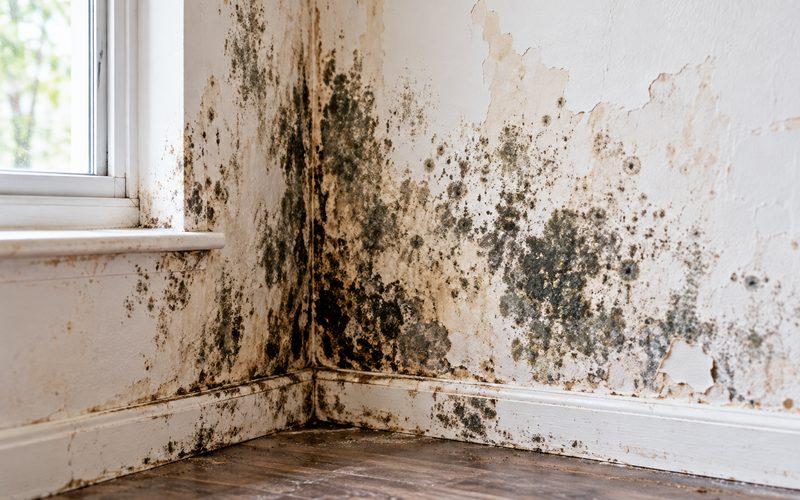
Mold Remediation
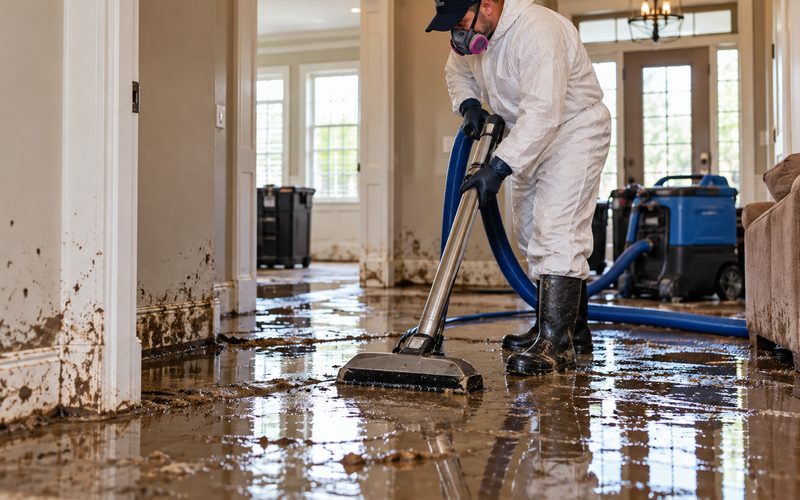
Sewage Cleanup
Need Help With an Insurance Claim?
Our team can explain the restoration process, document the damage, and work with your insurance company.
Call 440-970-1156 ›- 24/7 Emergency Response
- IICRC Standards-Based Restoration Work
- We Work With Insurance Companies
- Serving Homeowners & Businesses in NEO
Important Insurance Information
What to Look for in Your Policy
Learn about key sections, endorsements, exclusions, limits, and deductibles.
Learn What to Check →What May Be Covered
Understand common situations that may be covered, such as burst pipes, storm damage, or fire.
See Common Examples →What May Not Be Covered
Learn about common exclusions, maintenance issues, and situations that may not be covered.
Understand the Limitations →Mitigation vs. Restoration
Understand the difference between emergency mitigation and full restoration work.
Learn the Difference →ACV vs. RCV
Learn how claim payments may be calculated and what depreciation means.
See How Payments Work →Additional Living Expenses (ALE)
Find out when temporary housing and extra living costs may be covered.
Learn About ALE →What Happens After an Insurance Claim?
Frequently Asked Questions
After you file a claim, the insurance company usually assigns a claim number and may send an adjuster to inspect the damage. A restoration contractor like Bee Dry can help with mitigation, documentation, drying, cleanup, and restoration planning.
You can call Bee Dry as soon as damage is discovered, especially if water is spreading or emergency mitigation is needed. You can also call after filing the claim and receiving a claim number.
No. Bee Dry does not decide coverage, approve claims, or determine payment. Bee Dry documents property conditions and performs restoration work.
In many cases, waiting can allow water to spread and cause more damage. Take photos and videos first when safe, then start reasonable mitigation steps to protect the property.
Keep your claim number, photos, videos, receipts, invoices, estimates, drying logs, moisture readings, emails, and notes from conversations. These records can help organize the restoration process.
Yes, Bee Dry can communicate about property conditions, affected materials, moisture findings, mitigation work, drying progress, and restoration scope. Bee Dry does not negotiate coverage as a public adjuster.
Most homeowners insurance does not cover flood damage, according to FloodSmart. Flood insurance is typically separate from a standard homeowners policy. FloodSmart
Call Bee Dry Restoration After Filing an Insurance Claim
After you file an insurance claim, do not wait around wondering what to do next. Bee Dry Restoration can help with emergency mitigation, damage documentation, water extraction, structural drying, mold remediation, sewage cleanup, fire and smoke cleanup, storm restoration, and repairs.
Call Bee Dry Restoration of Cleveland today for property damage restoration support in Northeast Ohio.
Important Note
Insurance coverage varies by policy, carrier, endorsements, exclusions, deductible, limits, cause of loss, and claim determination. This page is for general educational purposes only. Bee Dry Restoration of Cleveland provides restoration services and documentation support, but does not act as an insurance company, public adjuster, attorney, or coverage decision maker.