
Burst & Frozen Pipes Common Claims
When a pipe bursts or freezes, water can spread fast through walls, floors, ceilings, and hidden areas. Bee Dry Restoration of Cleveland helps protect the property, extract water, dry affected areas, document damage, and move the restoration process forward.
What should I do if a pipe bursts or freezes?
Shut off your water, call a plumber, and document the damage. Then contact your insurance company and a professional restoration company like Bee Dry to begin mitigation as quickly as possible.
Immediate Steps to Take
Taking the right steps early can help minimize damage and make the insurance process smoother.
Shut Off the Water
Turn off the main water supply to prevent further damage.
Call a Plumber
Have a licensed plumber repair the broken or frozen pipe.

Document the Damage
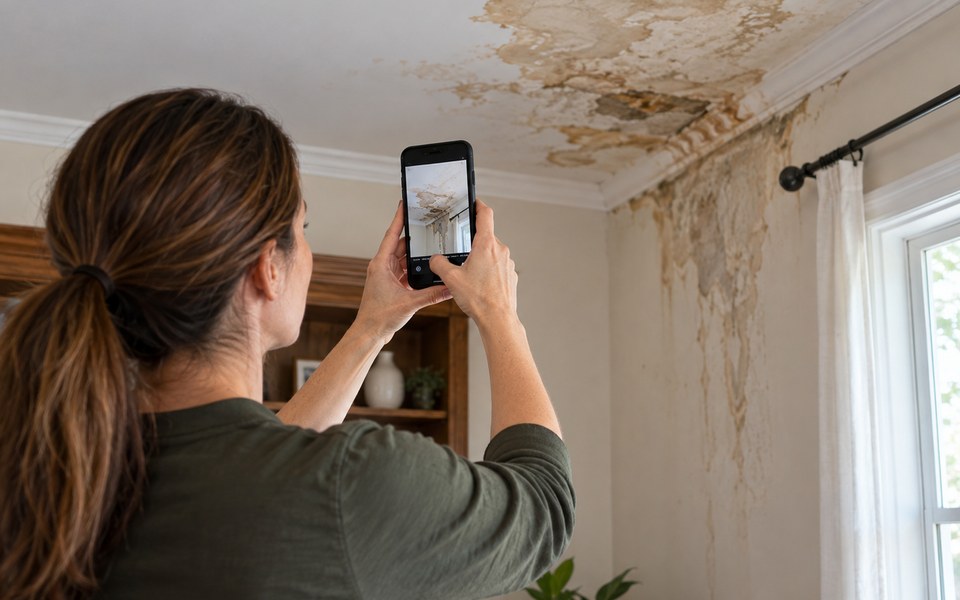
Take photos and videos of all affected areas and belongings.
Contact Your Insurance Company
Start a claim and follow their instructions.
Begin Drying Fast
Call Bee Dry for professional water extraction and drying equipment.
Why Fast Mitigation Matters
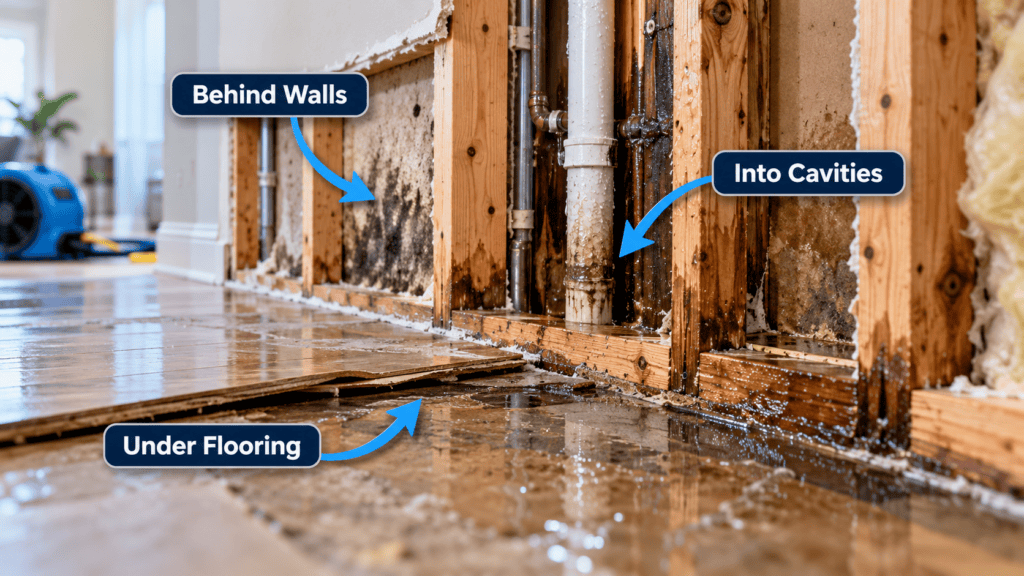
Water from burst or frozen pipes can spread quickly behind walls, under flooring, and into structural cavities. The faster drying begins, the better the chance of reducing damage and saving affected materials.
Helps reduce hidden moisture behind walls and baseboards.
Helps protect flooring, drywall, trim, and structural materials.
Creates a clearer drying record for the restoration process.
How Insurance Usually Looks at Burst and Frozen Pipe Damage
Coverage depends on the policy and the facts of the claim. A burst pipe does not always mean everything is automatically covered, so carriers usually review the cause, timing, property conditions, policy language, exclusions, and mitigation steps.
The Insurance Carrier May Review
- Whether the pipe break was sudden
- Whether freezing caused the pipe failure
- Whether heat was maintained
- Whether the home was vacant or unoccupied
- Whether the water supply should have been shut off
- Whether there was long-term seepage or repeated leakage
- Which materials were directly affected
- Whether the failed plumbing component itself is covered
- Whether emergency mitigation began quickly
- Whether the damage was clearly documented
Important detail: Resulting water damage and the failed pipe may be reviewed differently. Wet drywall, flooring, trim, and ceiling damage may be handled separately from the broken plumbing part itself.
Bee Dry’s role: Bee Dry does not decide coverage, approve claims, deny claims, or guarantee payment. Our role is to document the restoration side of the loss and help protect the property.
Real-World Example
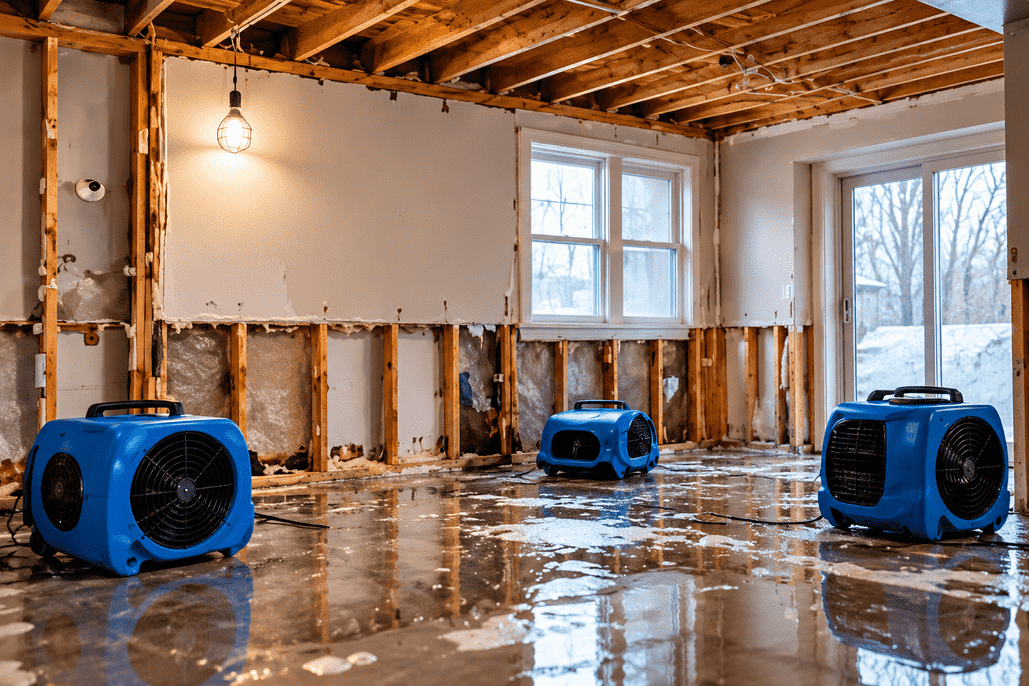
A frozen copper line in an exterior wall burst, causing significant water damage to a finished basement. Bee Dry documented the moisture migration, removed unsalvageable materials, set drying equipment, and provided a detailed estimate for the insurance claim.
Frozen copper line burst in exterior wall.
Water affected finished basement, walls, and flooring.
Bee Dry documented moisture migration.
Removed unsalvageable materials and set drying equipment.
Provided a detailed estimate for the insurance claim.
How Bee Dry Helps With Burst & Frozen Pipe Claims
Bee Dry Restoration of Cleveland handles the emergency restoration side after a burst or frozen pipe causes water damage. We help protect the property, remove water, dry affected materials, document the damage, and support the restoration process with clear information.
What Bee Dry Does
- Emergency water extraction
- Structural drying and dehumidification
- Moisture inspections and readings
- Drying logs and damage documentation
- Removal of wet drywall, insulation, flooring, or trim when needed
- Cleaning and disinfection when appropriate
- Contents protection guidance
- Mold remediation if moisture has created a concern
- Mitigation estimating and restoration planning
- Repairs and reconstruction after mitigation
What Bee Dry Does Not Do
- Decide if a pipe claim is covered
- Approve or deny insurance claims
- Guarantee claim payment
- Replace the role of your insurance carrier
- Provide legal advice
- Repair the broken pipe itself
Common Misunderstandings About Burst and Frozen Pipe Claims
Burst and frozen pipe claims can move fast. Knowing what is commonly misunderstood can help you act quickly, document the damage, and avoid delays during cleanup.
Waiting for an Inspection Before Drying
Emergency mitigation should not wait if water is spreading. Take photos first, then begin extraction and drying as soon as possible.
Assuming the Failed Pipe Is Always Covered
The damaged plumbing part and the resulting water damage may be reviewed differently.
Thinking All Frozen Pipe Claims Are Automatic
Freezing conditions, heat, vacancy, maintenance, and prevention steps may all matter during claim review.
Assuming Surface Dry Means Fully Dry
Walls, trim, insulation, cabinets, and flooring can hold hidden moisture even when the surface feels dry.
Mixing Up Mitigation and Reconstruction
Mitigation stops additional damage and dries the structure. Reconstruction repairs and rebuilds after drying is complete.
Not Keeping a Simple Timeline
Write down when the leak was found, when water was shut off, when help arrived, and when drying began.
What to Document After a Burst or Frozen Pipe
Good documentation helps show what happened, where the water traveled, and what materials were affected.
- Failed pipe location
- Main water shutoff
- Affected rooms
- Wet flooring, walls, ceilings, trim, and insulation
- Damaged contents
- Plumber findings
- Temperature or freezing conditions if relevant
- Drying equipment used
- Moisture readings and drying records
- Materials removed
- Receipts and invoices
- Claim number and insurance contact information
Keep the timeline simple: discovery, water shutoff, plumber visit, Bee Dry arrival, mitigation start, and drying progress.
Frozen Pipe Prevention Tips
Northeast Ohio winters can put plumbing at risk, especially in exterior walls, garages, crawl spaces, basements, and other cold areas.
To help reduce the risk of frozen pipes:
- Insulate exposed pipes
- Seal air leaks near plumbing
- Disconnect outdoor hoses
- Keep indoor temperatures consistent
- Open cabinet doors near plumbing during extreme cold
- Let faucets drip when pipes are at risk
- Know where the main water shutoff is
- Have someone check the property if you are away
Prevention cannot guarantee a pipe will never freeze, but it can lower the risk and help limit damage if a pipe breaks.
Your 24/7 Restoration Services in Cleveland
At Bee Dry Restoration of Cleveland, we provide expert restoration services including fire damage restoration, water damage restoration, mold inspection, sewage cleanup, and more. Our skilled team delivers fast, reliable, and professional solutions to restore your property and your peace of mind with the highest standards of safety and quality.
- Mentor
- Painesville
- Willoughby
- Cleveland
- Eastlake
- Madison
- Perry
- Wickliffe
- Chardon
- Thompson
- Austinburg
- Geneva
- Grand River
- Fairport Harbor
- Kirtland
Burst & Frozen Pipes Common Claims
Frequently Asked Questions
Yes. A burst pipe is considered emergency water damage because water can spread into flooring, drywall, ceilings, insulation, trim, cabinets, and wall cavities quickly. The first priority is to shut off the water if safe, avoid electrical hazards, call a plumber for the pipe repair, and contact Bee Dry for water extraction and structural drying.
Common signs include swollen baseboards, soft drywall, bubbling paint, musty odors, damp carpet, warped flooring, ceiling stains, and cold or wet areas near exterior walls. Even if the surface feels dry, moisture may still be trapped behind walls, under flooring, or inside insulation.
Yes. Mold can become a concern when wet materials are not dried properly. Drywall, insulation, wood framing, carpet padding, and cabinets can hold moisture, especially after a frozen pipe bursts inside a wall or ceiling. Fast water mitigation helps reduce the risk.
Water mitigation means taking steps to stop additional damage. This can include water extraction, moisture inspections, removing unsalvageable wet materials, placing drying equipment, using dehumidifiers, tracking moisture readings, and documenting the affected areas.
Sometimes, but it depends on how wet the drywall is, how long it stayed wet, where the water traveled, and whether insulation or wall cavities are affected. If drywall is heavily saturated, damaged, contaminated, or trapping moisture, controlled removal may be needed before drying can be completed.
Do not throw away important materials too quickly. Take photos and keep records of damaged flooring, drywall, contents, insulation, trim, and plumbing-related findings when possible. Documentation can help show what was affected and what had to be removed during mitigation.
Yes. Bee Dry can help with finished basement water damage caused by burst or frozen pipes. This may include extracting water from carpet or flooring, checking baseboards and drywall, inspecting for hidden moisture, setting drying equipment, documenting damage, and planning repairs after drying.
Call Bee Dry Restoration After Filing an Insurance Claim
After a burst or frozen pipe, do not wait around while water spreads into walls, floors, ceilings, and hidden areas. Bee Dry Restoration can help with emergency mitigation, damage documentation, water extraction, structural drying, mold remediation, sewage cleanup, fire and smoke cleanup, storm restoration, and repairs after water damage.
Call Bee Dry Restoration of Cleveland today for burst pipe cleanup, frozen pipe water damage restoration, and property damage restoration support in Northeast Ohio.
Important Note
Insurance coverage varies by policy, carrier, endorsements, exclusions, deductible, limits, cause of loss, and claim determination. This page is for general educational purposes only. Bee Dry Restoration of Cleveland provides restoration services and documentation support, but does not act as an insurance company, public adjuster, attorney, or coverage decision maker.